Functional Drinks for Office Workers: Practical Fixes for the Afternoon Slump
Skip to main content
Meta description: Everyday living, from workday routines and simple recipes to books, travel, family life, and little wellness habits that fit real life.
On terristeffes.com, the lifestyle blog approach is all about everyday living: useful ideas for home, food, family routines, travel, reading, and small habits that make ordinary days feel a little more manageable. That same practical spirit works well when you’re staring down the afternoon energy dip at your desk. A drink might help you pause, hydrate, or enjoy a familiar caffeine boost—but it isn’t a magic fix, and the label matters more than the marketing.
For many office workers, the stretch after lunch can feel like a second shift. Your attention wanders, the to-do list remains stubbornly long, and reaching for another coffee or a brightly packaged beverage can seem like the quickest answer. Functional drinks are often presented as a solution for focus, energy, or hydration. But what does “functional” actually mean, and how can you choose a workday focus drink without relying on vague promises?
The short version: treat drinks as one small part of an everyday wellness routine. Start with what you want from the drink—water, caffeine, flavor, or a more satisfying break—then read the ingredient list and nutrition information. Consider timing, your own caffeine sensitivity, and how the choice fits into the rest of your day. No single drink works for everyone, and packaging claims are not a substitute for checking what is in the can, bottle, or cup.
What Are Functional Drinks?
“Functional drink” is a broad, informal category for beverages marketed as doing something beyond providing refreshment. Depending on the product, that may mean offering caffeine, electrolytes, protein, fiber, vitamins, herbs, or other added ingredients. Some are designed to be a flavored way to hydrate; others are positioned around energy, relaxation, or focus.
The term itself doesn’t tell you how much of an ingredient a drink contains, whether it suits your needs, or whether a promised effect is meaningful for you. Two beverages with similar front-label language can have very different ingredients and nutrition profiles. So rather than choosing by category alone, use the back label as your guide.
Start With the Afternoon Energy Dip
An afternoon slump can have more than one cause: a long stretch of sitting, a busy morning, a meal that didn’t leave you feeling satisfied, poor sleep, or simply the natural rhythm of a workday. It’s tempting to look for a drink that promises immediate concentration, but a more useful first question is, “What do I need right now?”
- Thirsty? Refill your water or choose a drink you enjoy and will actually sip.
- Want a gentle reset? Step away from your screen, stretch, or take a short walk before deciding whether you want caffeine.
- Looking for a familiar lift? Check how much caffeine is in the drink and whether it fits your personal limits and schedule.
- Hungry? A beverage may not stand in for a snack or meal that would better meet the moment.
These small checks make desk hydration feel less like a rule and more like a routine. Keeping water within reach, taking a real lunch break when possible, and standing up between tasks may be more practical than expecting a beverage to carry the whole afternoon.
Choose a Workday Focus Drink by Purpose
There isn’t one best workday focus drink. The right choice depends on what you like, what is in it, how your body responds, and when you plan to drink it. A simple beverage can be enough. A more elaborate product may suit someone’s preferences, but extra ingredients don’t automatically make it a better fit.
What you’re looking for What to consider A practical question Hydration Choose a drink you enjoy and check whether added sugar or other ingredients matter to you. Will I want to keep sipping this during the afternoon? Caffeine Look for the amount per serving and note how many servings the container holds. How much caffeine have I already had today? Less sweetness Compare total sugar and serving sizes rather than relying only on front-label wording. Does this taste and nutrition profile fit what I want today? A satisfying pause Think about flavor, temperature, and whether a planned break would help more than another task-side sip. Could I pair this with a few minutes away from my screen?Read the Label, Not Just the Promise
Words such as “energy,” “focus,” “natural,” or “wellness” can make a drink sound like an easy answer. They don’t tell the whole story. Read the ingredient list and the nutrition information, and check the serving size before making a decision. If a package contains more than one serving, the amounts listed may apply to one serving rather than the whole container.
Check the ingredient list
Ingredients are generally listed in descending order by weight. Look for ingredients you recognize, and take note of anything you personally avoid or need to limit. If the drink includes caffeine or added ingredients you don’t know, use the label to identify them and consult a reliable source if you need more information. Don’t assume an unfamiliar ingredient is beneficial simply because it appears in a product marketed as functional.
Compare sugar and serving size
“Low sugar” and similar phrases can be useful prompts to investigate, but the nutrition panel gives you the more concrete information for that product. Check total sugars, serving size, and whether the container has multiple servings. You may also want to look at the full ingredient list for sweeteners, flavors, or other additions. The goal isn’t to judge a drink as good or bad; it’s to choose with your own preferences in mind.
Be thoughtful about claims
A claim on a package doesn’t guarantee that you will feel a particular effect. Without a specific product label, ingredient quantities, or study details, it would be misleading to make product-specific promises or compare brands. Treat broad claims as a reason to ask questions: What ingredient is the claim referring to? How much is included? Is the wording clear? If you have a health condition, take medication, are pregnant, or have questions about an ingredient, ask a qualified healthcare professional for guidance.
Caffeine: Helpful for Some, Not a Requirement
Caffeine is common in drinks marketed for energy and focus, but people can respond differently to it. Some enjoy a coffee or tea as part of their workday; others find caffeine uncomfortable or prefer to avoid it. The important habit is to count the sources you have already consumed, including coffee, tea, soda, energy-style drinks, and other caffeinated products.
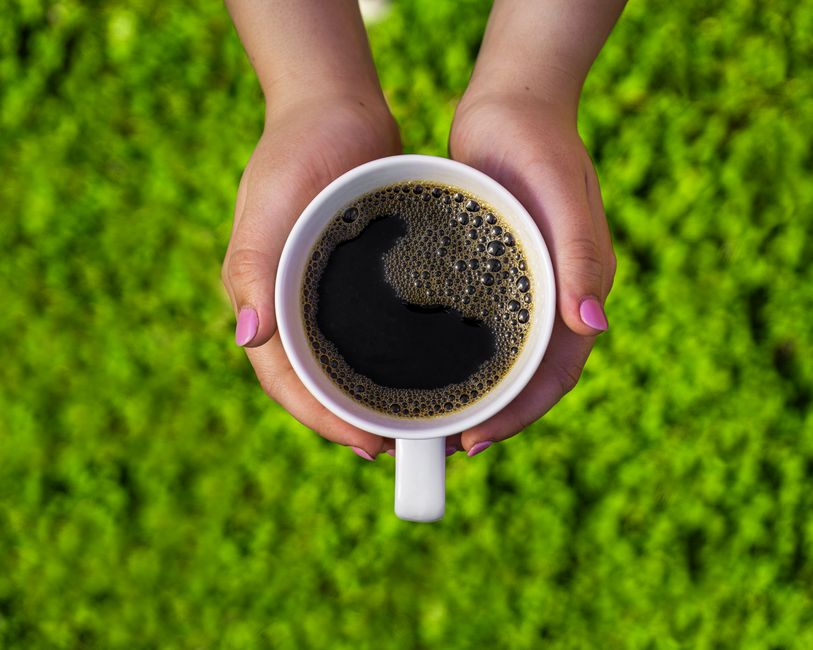
Check the amount per serving, then check how many servings you may actually drink. Don’t rely on the size or strength implied by the packaging. If you’re sensitive to caffeine, notice restlessness, or find that late-day caffeine affects your sleep, consider choosing a caffeine-free option or having caffeine earlier. Personal response matters, and a drink that works for a colleague may not suit you.
It can help to keep a simple note for a few workdays: what you drank, roughly when you drank it, and how you felt later. This isn’t a formal experiment or a diagnosis. It’s just a way to spot patterns in your own routine, such as having several caffeine sources before lunch or reaching for a caffeinated drink later than you intended.
Timing Matters, Especially Late in the Day
A beverage can fit into a routine at one time and feel less useful at another. For example, if you want caffeine, think about whether the timing works with your usual bedtime. If you’re trying to stay hydrated, keep water accessible throughout the day instead of waiting until the afternoon to catch up. And if your slump arrives after a rushed lunch, a brief walk or an unrushed snack may be a better first step than another drink.

- Notice the pattern. Pay attention to when your energy tends to dip and what your morning and lunch looked like.
- Take a short pause. Stand, stretch, refill your water, or look away from the screen for a few minutes.
- Choose intentionally. Decide whether you want water, a flavored drink, caffeine, or food rather than grabbing the nearest option automatically.
- Check the label. Review serving size, caffeine, sugar, and ingredients before making a regular habit of a product.
- Notice the outcome. See whether the routine feels comfortable and fits your sleep and preferences.
Make Desk Hydration Easy to Keep Up
The best hydration routine is usually the one that fits into an ordinary workday. Keep a glass or bottle in a visible, convenient spot. Refill it when you take a break or return from lunch. If plain water isn’t appealing, a drink with a flavor you enjoy may make sipping easier. You don’t need to turn hydration into another productivity challenge or measure every sip unless a healthcare professional has asked you to do so.
It can also help to create a small “afternoon reset” that isn’t centered terristeffes.com on buying something. For example, refill your water, open a window if that’s possible, walk to a printer or shared space, and then return to one clearly defined task. A drink can be part of that ritual, but the pause itself may be the most useful part.
Common Mistakes to Avoid
- Choosing by front-label claims alone. Turn the package around and read the details.
- Ignoring serving size. Check whether the whole container is one serving.
- Forgetting total caffeine. Include coffee, tea, and other sources when you decide whether to add more.
- Assuming “functional” means necessary. A simple drink—or no special drink at all—may be enough.
- Expecting a beverage to replace a routine. Sleep, meals, movement, breaks, and hydration all matter in everyday life.
- Trusting unsupported comparisons. Without specific ingredients, brands, or study details, avoid assuming one product is superior or promising a particular result.
A Simple Afternoon Routine to Try
When the afternoon energy dip appears, pause before reaching for a new drink. Ask whether you’re thirsty, hungry, tired, or ready for a movement break. Refill your water if that sounds good. If you want caffeine, check what you’ve already had and consider the time of day. If you’re choosing a packaged functional drink, read the serving size, ingredients, caffeine amount, and sugar information. Then take a few minutes away from your screen and return to the next task with a realistic plan.
That approach keeps the decision grounded. Functional drinks can be convenient and enjoyable, but they’re one option among many—not a promise of instant focus. A good everyday wellness routine leaves room for personal preferences, clear labels, and the occasional ordinary glass of water.
Get Everyday Living Ideas in Your Inbox
Want practical inspiration for home life, recipes, books, travel, family routines, and small wellness habits? Use the the email subscription form below to sign up. A useful lead magnet could be a printable “Afternoon Reset” checklist with prompts for hydration, breaks, caffeine timing, and label reading.
Email addressReplace this placeholder form action with your email service provider’s subscription link and include your privacy information before publishing.
Back to top